CHAL LAUNCHES IMMUNIZATION NETWORK FOR CIVIL SOCIETY ORGANIZATIONS LESOTHO (INCL)
-
by
Lebohang Liphapang
- No Comments on CHAL LAUNCHES IMMUNIZATION NETWORK FOR CIVIL SOCIETY ORGANIZATIONS LESOTHO (INCL)
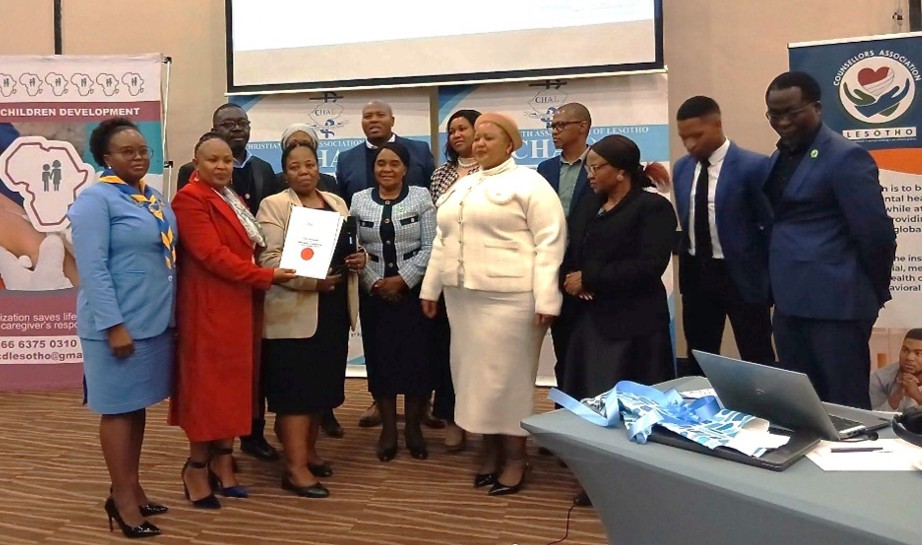
Christian Health Association of Lesotho (CHAL) marked a significant milestone in strengthening community health systems through the successful launch of the Immunization Network for Civil Society Organizations Lesotho (INCL).
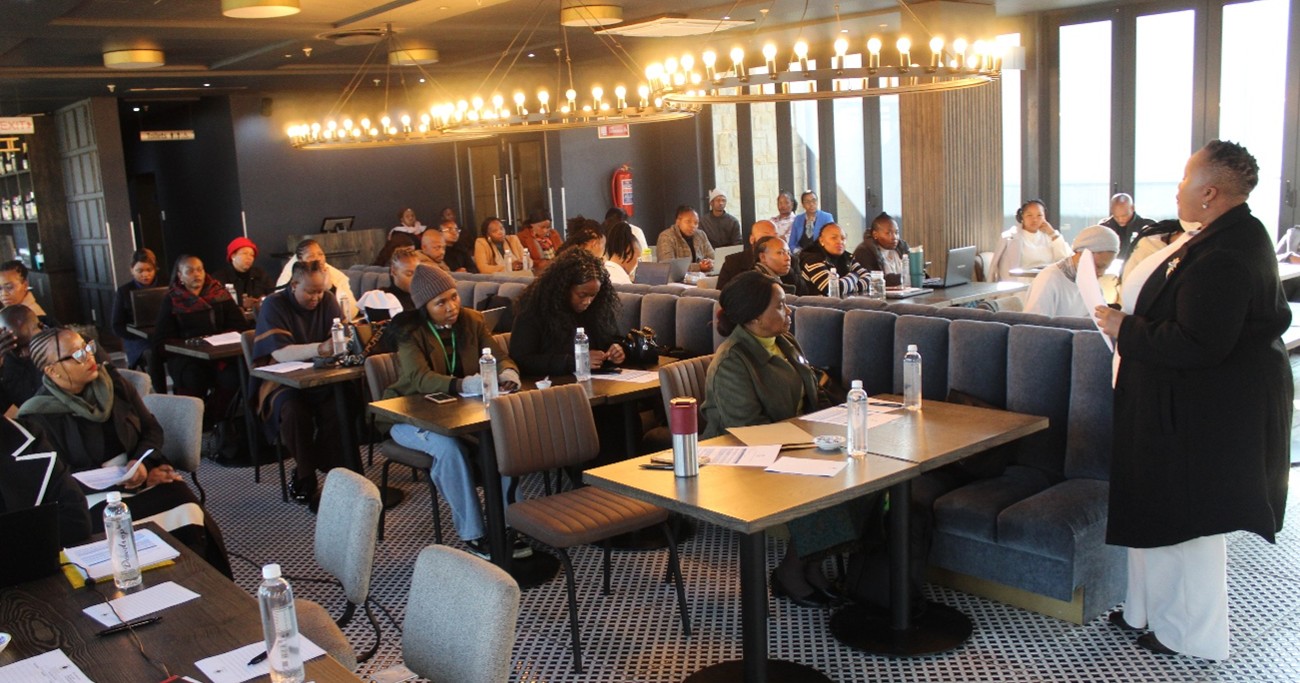
Held on the 18th of June 2026 at Avani Lesotho, the event brought together government representatives, civil society organizations (CSOs), WHO, CHAL and Churches Association of Zambia (CHAZ). This landmark event highlighted the growing importance of multi-stakeholder collaboration in improving health outcomes across the country.
CHAL’s serves as the leading organisation of this initiative, reinforcing its role as the CSOs coordinating body, supported by the Network’s governance. The establishment of INCL reflects a growing recognition that sustainable immunization outcomes depend not only on health facility-based services but also on strong, community-driven engagement systems that ensure no one is left behind.
The Executive Director of CHAL, Mrs. ‘Makatleho Mohasi further emphasized that the purpose of the CSOs network is to increase vaccine uptake and demand across communities. Through sustained community engagement, targeted awareness campaigns, and strong advocacy efforts, civil society organizations play a vital role in educating communities about the importance, safety, and benefits of vaccines. These efforts are essential in addressing vaccine hesitancy, countering misinformation, and overcoming cultural barriers that often limit immunization coverage, ultimately contributing to improved public health outcomes.
The Chief Executive Officer of CHAZ, Mrs. Karen Sichali-Sichinga, underscored the importance of strong collaboration between the Ministry of Health’s Expanded Programme on Immunization (EPI), CHAL, and the newly established CSOs network. She noted that the network is made up of local organizations that are permanently rooted in Lesotho, making them critical to ensuring the sustainability of immunization efforts.
Mrs. Sichali-Sichinga called on the Ministry of Health to actively capacitate CSOs in immunisation so that they are equipped to effectively support national efforts, particularly in tracing defaulters and identifying zero-dose children who have not yet received any vaccines. She emphasized that CSOs cannot operate in isolation and require continuous guidance, coordination, and technical support from the Ministry.
The Ministry of Health warmly welcomed the launch of INCL, emphasizing the indispensable role of CSOs in delivering health services to underserved populations. Speaking at the event, Acting Principal Secretary Dr. Llang Maama highlighted that CSOs extend the reach of the formal health system into communities that often remain beyond its direct access. She noted that community structures and the CSOs are able to connect communities with healthcare and promote immunization programmes effectively.
Dr. Maama further stressed that the network comes at a critical moment, as Lesotho continues to address vaccine hesitancy and strengthen public understanding of immunization.
The government expressed confidence that INCL will help improve vaccine uptake while contributing to broader efforts to address public health challenges across the country.
Mrs. Irene Mechele, the Expanded Programme on Immunization (EPI) Manager, highlighted that the CSOs have brought new innovations within the EPI program. For the first time this year, IEC materials have been written in braille to break communication barrier between the blind and the healthcare workers and organisations such as NADL, have been able to support the health facilities with sign language and interpreters between the deaf and the healthcare workers.
However, she noted that the gaps remain, particularly in hard-to-reach areas, and called for increased support to expand such inclusive programmes nationwide.
The roots of INCL trace back to September 2024, following a Gavi-supported training held in Thaba-Bosiu. Since then, the network has grown into a coalition of 26 organizations committed to advancing equitable access to vaccines and strengthening advocacy efforts across Lesotho. INCL Chairperson Ms. Puseletso Sethunya emphasized the critical role of the CSOs network is to increase vaccine uptake and demand. Through community engagement, awareness campaigns, and advocacy, CSOs help educate communities about the importance, safety, and benefits of vaccines. This plays a crucial role in addressing vaccine hesitancy, misinformation, and cultural barriers that often limit immunization coverage.
WHO underscored that civil society organizations play a critical role in supporting national immunization programmes, particularly in reaching underserved and hard-to-reach populations. The organization highlighted that coordinated CSO networks like INCL are essential for enhancing community trust, increasing vaccine confidence, and ensuring that accurate information reaches every household. Through structured platforms like INCL, CSOs are better positioned to lead community engagement, social mobilization, and behaviour change initiatives that directly address vaccine hesitancy and misinformation.
WHO further noted that the establishment of INCL aligns with global and regional immunization priorities, including the Immunization Agenda 2030, which calls for stronger partnerships, people-centred approaches, and equitable access to vaccines. The organization commended CHAL and its partners for fostering collaboration between government and civil society, describing the network as a model for multi-sectoral partnership and accountability in health service delivery.
The launch of the Immunization Network for Civil Society Organizations Lesotho (INCL) marks a significant step forward in strengthening Lesotho’s immunization programme through coordinated community action. By bringing together civil society actors under CHAL’s leadership, the network creates a unified platform to enhance vaccine demand, promote equitable access, and address persistent challenges such as vaccine hesitancy and misinformation. With strong support from the Ministry of Health, WHO, and development partners, INCL is well positioned to drive inclusive, community-centred solutions that improve health outcomes. Ultimately, the initiative reflects a shared commitment to ensuring that every individual, regardless of location or circumstance, has access to life-saving vaccines and that no community is left behind.