Strengthening Immunisation Through Community Power: Gavi-Supported CSO Initiative Reaches Milestone
 Lebohang Liphapang
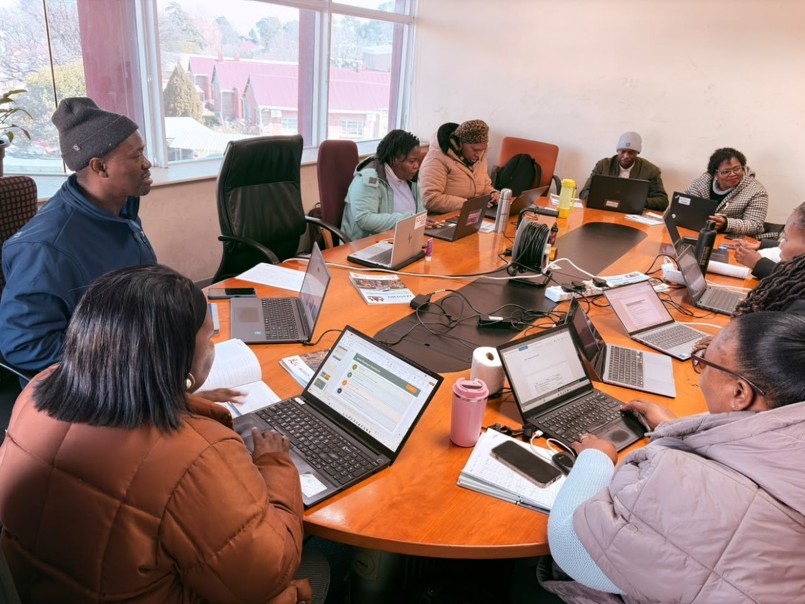
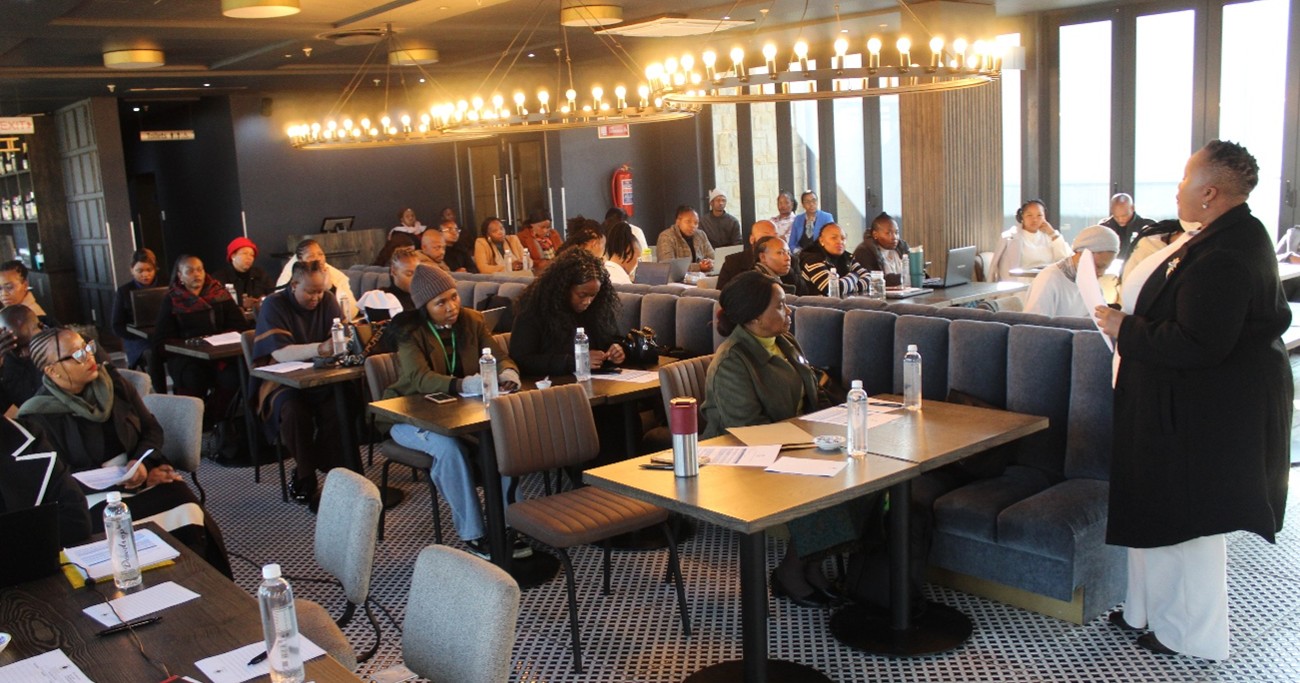
The close-out meeting of the Civil Society Organisations (CSOs) Capacity Building Initiative marked the successful completion of a Gavi-supported project implemented in collaboration with the Christian Health Association of Lesotho (CHAL) and the Churches Health Association of Zambia (CHAZ). Held on 17th of June 2026 in Maseru, the meeting brought together key stakeholders from the Ministry of Health, District Health Management Teams, CSOs, health facilities, and village health workers to reflect on the project’s achievements and chart a way forward.
The initiative was designed to strengthen the role of civil society in immunisation programming across five districts of Lesotho (Maseru, Mafeteng, Berea, Leribe and Mokhotlong), with a focus on community mobilisation, defaulter tracing, identifying zero dose and strengthening linkages between communities and health facilities. Over the course of the project, CSOs played a critical role in increasing awareness, improving demand for immunisation services, and reaching underserved populations, aligning closely with the Government of Lesotho’s goal of ensuring equitable access to vaccines for all children.
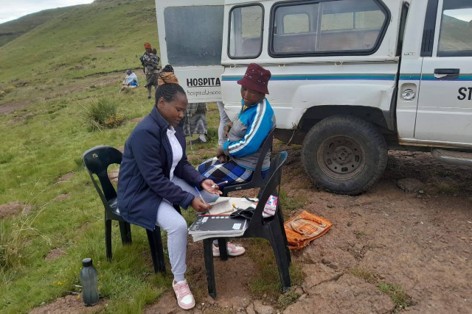
Throughout the project, significant progress was made in improving immunisation outcomes at community level. Stakeholders reported stronger community-facility linkages, more effective defaulter tracing systems, and increased trust in immunisation services. Village Health Workers, who served as a vital bridge between communities and health facilities, shared experiences of improved caregiver awareness and greater acceptance of vaccines, particularly in hard-to-reach areas.
Health facility representatives and District Health Management Teams also highlighted notable improvements in service delivery and immunisation performance. These included better outreach strategies, reduced drop-out rates, and enhanced coordination with CSOs. The collaborative approach adopted by the project strengthened accountability and ensured that services were more responsive to community needs.
A key strength of the initiative was the partnership between government, civil society, and community actors. CSOs supported demand creation and grassroots engagement, health facilities ensured service delivery, and district teams provided coordination and oversight. This multi-stakeholder collaboration proved essential in building trust, improving data use for decision-making, and enhancing the overall effectiveness of immunisation programmes.
The meeting also provided an opportunity to reflect on important lessons learned. Participants emphasised that strong community engagement is essential for improving immunisation uptake, while partnerships and data-driven approaches are critical for achieving sustainable results. The initiative further demonstrated that investing in local capacity building can have long-term benefits for health systems strengthening.
Looking ahead, stakeholders agreed on the need to sustain and scale the gains achieved. Key recommendations included strengthening coordination between CSOs and government, institutionalising community-facility linkages, and continuing to invest in capacity building and financial support. There was also a strong call to leverage CSO networks to enhance advocacy and ensure that successful interventions are integrated into future programming under Gavi 6.0.
Overall, the close-out meeting marked not just the end of a successful project, but the beginning of a new phase of strengthened collaboration. The initiative has laid a solid foundation for continued progress in immunisation, demonstrating the power of community-driven approaches in ensuring that every child is reached with life-saving vaccines.