Ministry of Health Validates SBCC Training Materials to Strengthen Demand for HIV Services
 Lebohang Liphapang
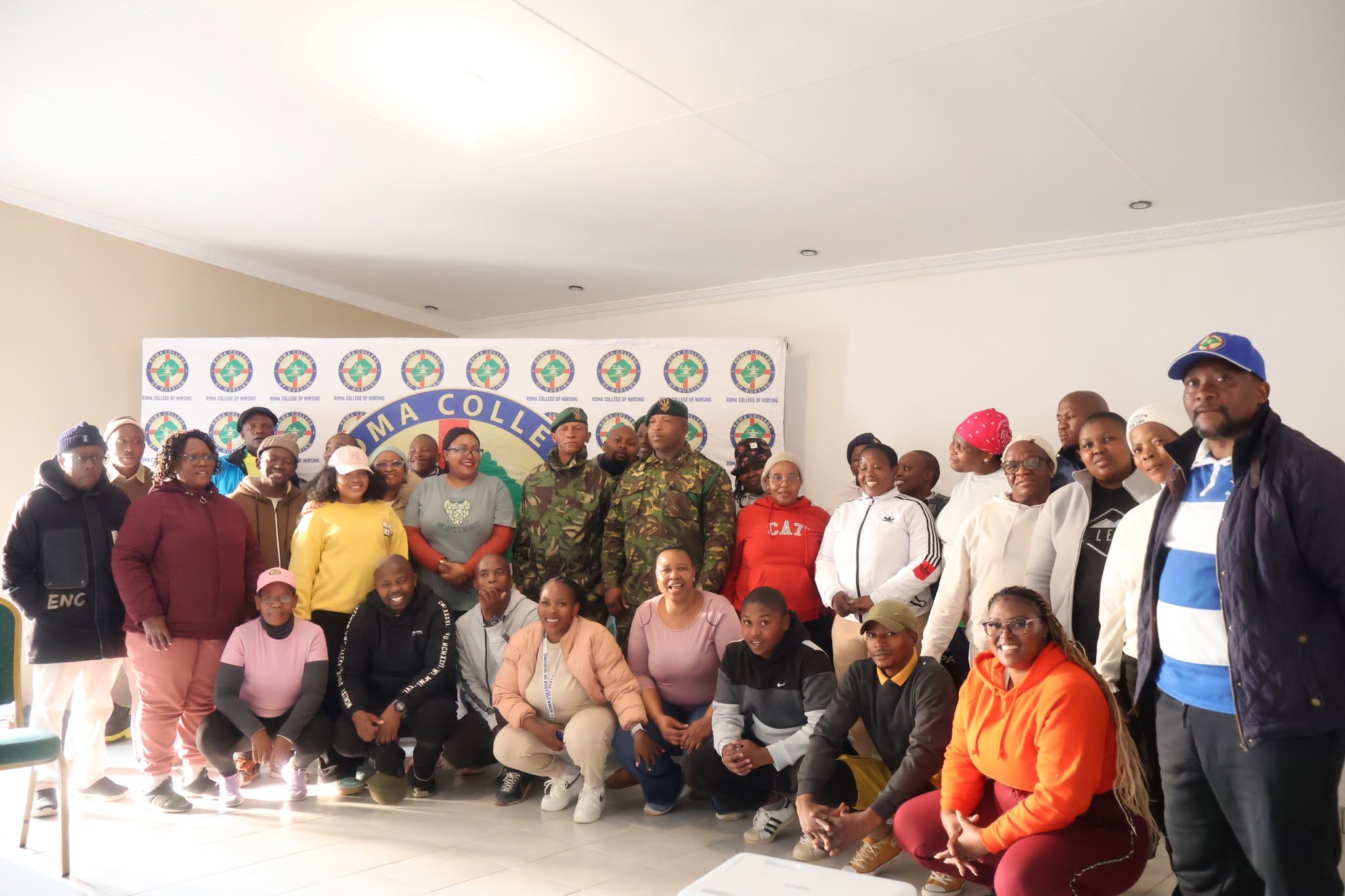
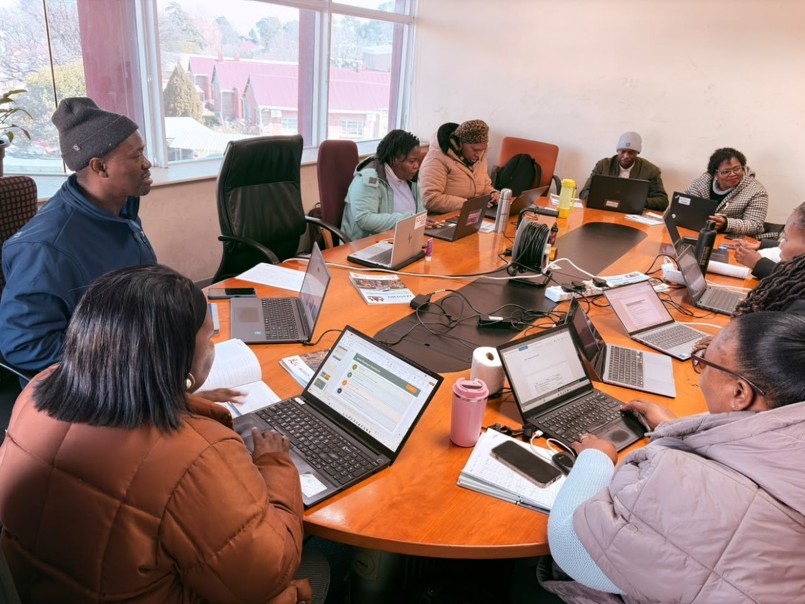
The Ministry of Health, with support from FHI 360 through the Meeting Targets and Maintaining Epidemic Control (EPIC) Project, hosted a three-day Social and Behaviour Change Communication (SBCC) Training Material Validation Workshop from 7th -9th of July 2026. The workshop brought together communications officers and technical experts from HIV implementing partners to validate a standardized SBCC training package that will strengthen community demand for HIV prevention, testing, treatment and care services across Lesotho.
The workshop forms part of the Ministry’s ongoing efforts to address behavioural and social barriers that continue to limit the uptake of HIV services despite the country’s significant progress in expanding access. Participants included representatives from AIDS Healthcare Foundation (AHF), Baylor College of Medicine Children’s Foundation Lesotho, Christian Health Association of Lesotho (CHAL), Elizabeth Glaser Pediatric AIDS Foundation (EGPAF), Jhpiego, SolidarMed, Lesotho Network of People Living with HIV/AIDS (LENEPWA), Mantsopa Communications, mothers2mothers (m2m), the National AIDS Commission (NAC), and Sentebale.
The primary purpose of the workshop was to review and validate draft SBCC training materials for Ministry of Health. Over the three days, participants worked collaboratively to:
- Review the draft training materials.
- Assess the relevance of the materials within the Lesotho context.
- Identify adaptations required for national implementation.
- Develop standardized HIV Demand Creation training materials for nationwide use.
Through interactive technical discussions, participants examined each module to ensure that the content reflects Lesotho’s cultural, social and programmatic realities while aligning with national HIV policies and current evidence-based approaches to social and behaviour change communication.
Although Lesotho has made remarkable progress in expanding access to HIV testing, antiretroviral therapy (ART), pre-exposure prophylaxis (PrEP), prevention of mother-to-child transmission (PMTCT), and viral load monitoring, the availability of these services alone does not guarantee their utilization. Evidence from studies conducted in Lesotho continues to show that HIV-related stigma, fear of testing, misinformation, harmful gender norms, low risk perception, poverty, geographic barriers and discrimination against key and vulnerable populations remain significant obstacles to accessing HIV services.
The validated SBCC training package is designed to directly address these challenges by equipping peer educators with practical, evidence-based communication skills that promote informed decision-making and positive health-seeking behaviour. The materials include strategies to reduce stigma and discrimination, improve HIV prevention and treatment literacy, encourage early HIV testing and treatment initiation, strengthen treatment adherence, engage men and young people, and foster supportive family and community environments.
Once finalized and approved, the standardized training materials will be used to train peer educators across the country. These trained peer educators will in turn cascade the knowledge to community leaders and community members, creating a network of trusted local champions capable of delivering consistent, culturally appropriate HIV demand creation messages and linking communities to available HIV services.
Speaking during the workshop, participants emphasized that standardized messaging is essential to ensuring consistency across implementing partners and strengthening the national HIV response. By validating the national training package, the Ministry of Health aims to improve the quality and effectiveness of community-based HIV communication interventions while supporting progress toward epidemic control.
Lesotho continues to carry one of the highest HIV burdens globally, with an estimated adult HIV prevalence of approximately 25.6% among people aged 15-59 years. While significant gains have been made in HIV testing, treatment coverage and viral suppression, sustained progress depends on increasing demand for available services and addressing the social and behavioural factors that influence people’s health decisions. The SBCC Training Material Validation Workshop demonstrates the Ministry of Health’s commitment to strengthen community engagement and ensuring that every Mosotho has access to accurate information, supportive environments and quality HIV services. Through strengthened social and behaviour change communication, the Ministry and its partners are helping build informed communities that actively participate in preventing new HIV infections and improving health outcomes across the country.