Christian Health Association of Lesotho Hosts 2026 Annual General Meeting Focused on Universal Health Coverage
-
by
chal
- No Comments on Christian Health Association of Lesotho Hosts 2026 Annual General Meeting Focused on Universal Health Coverage
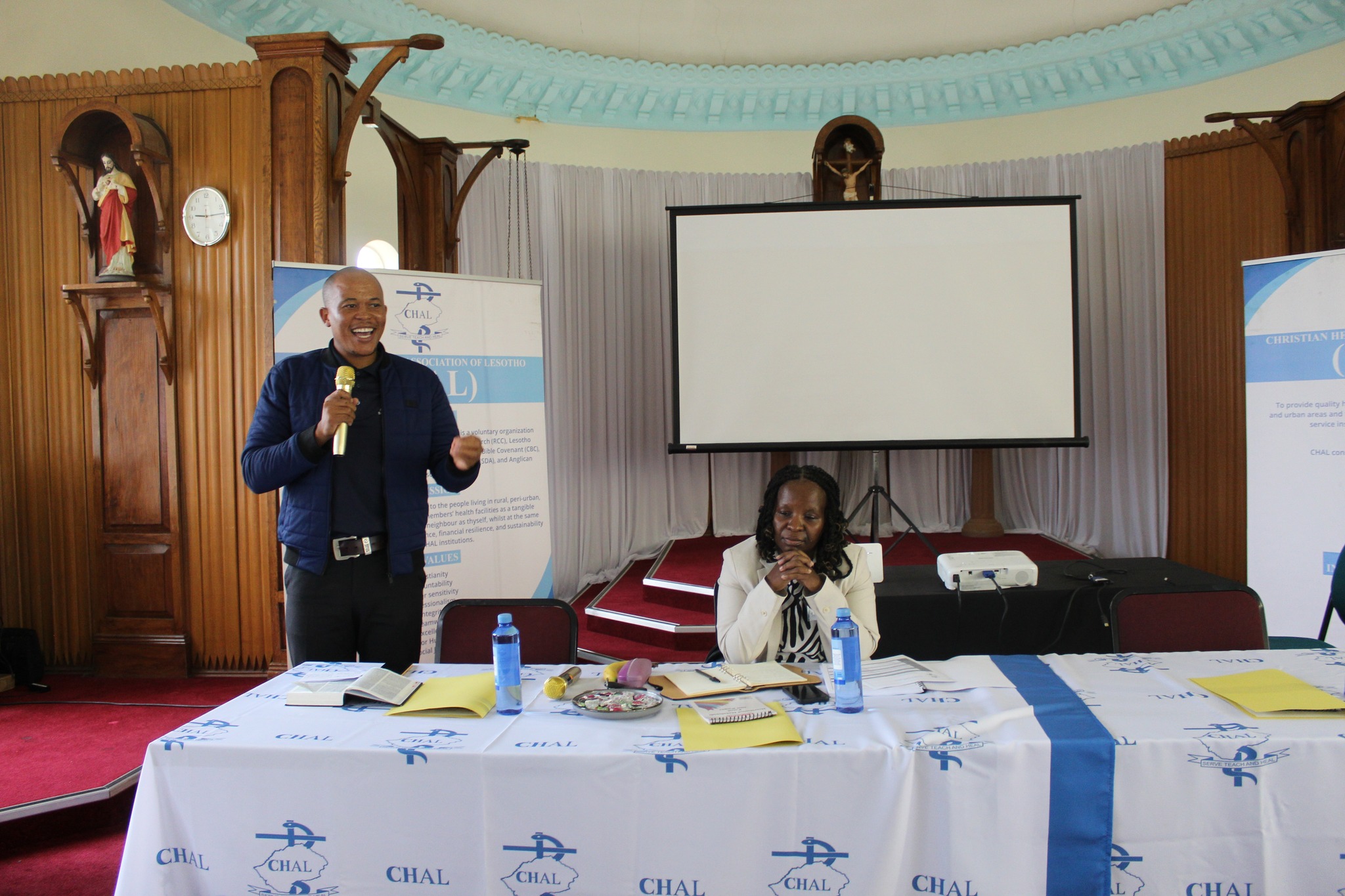
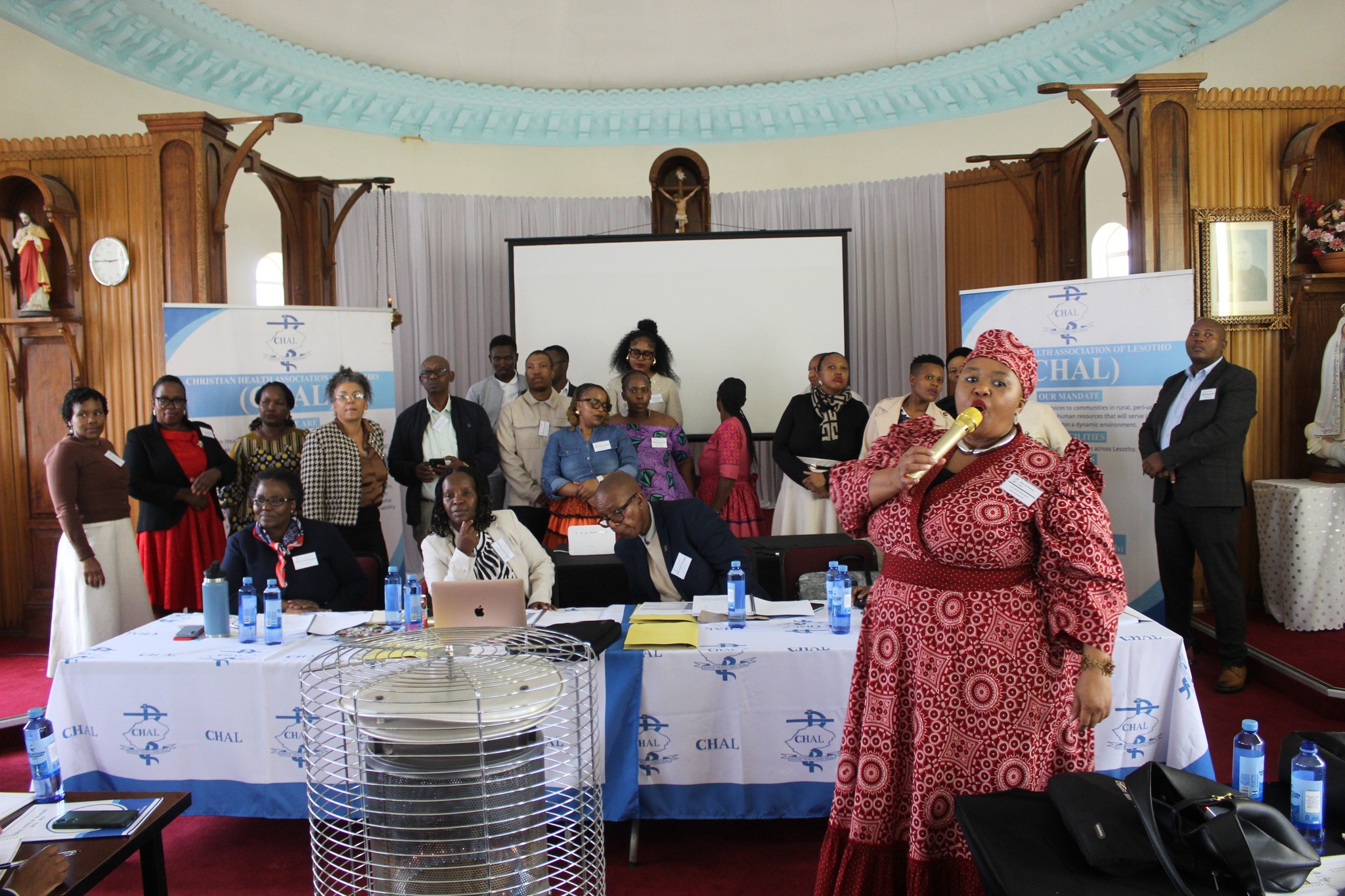
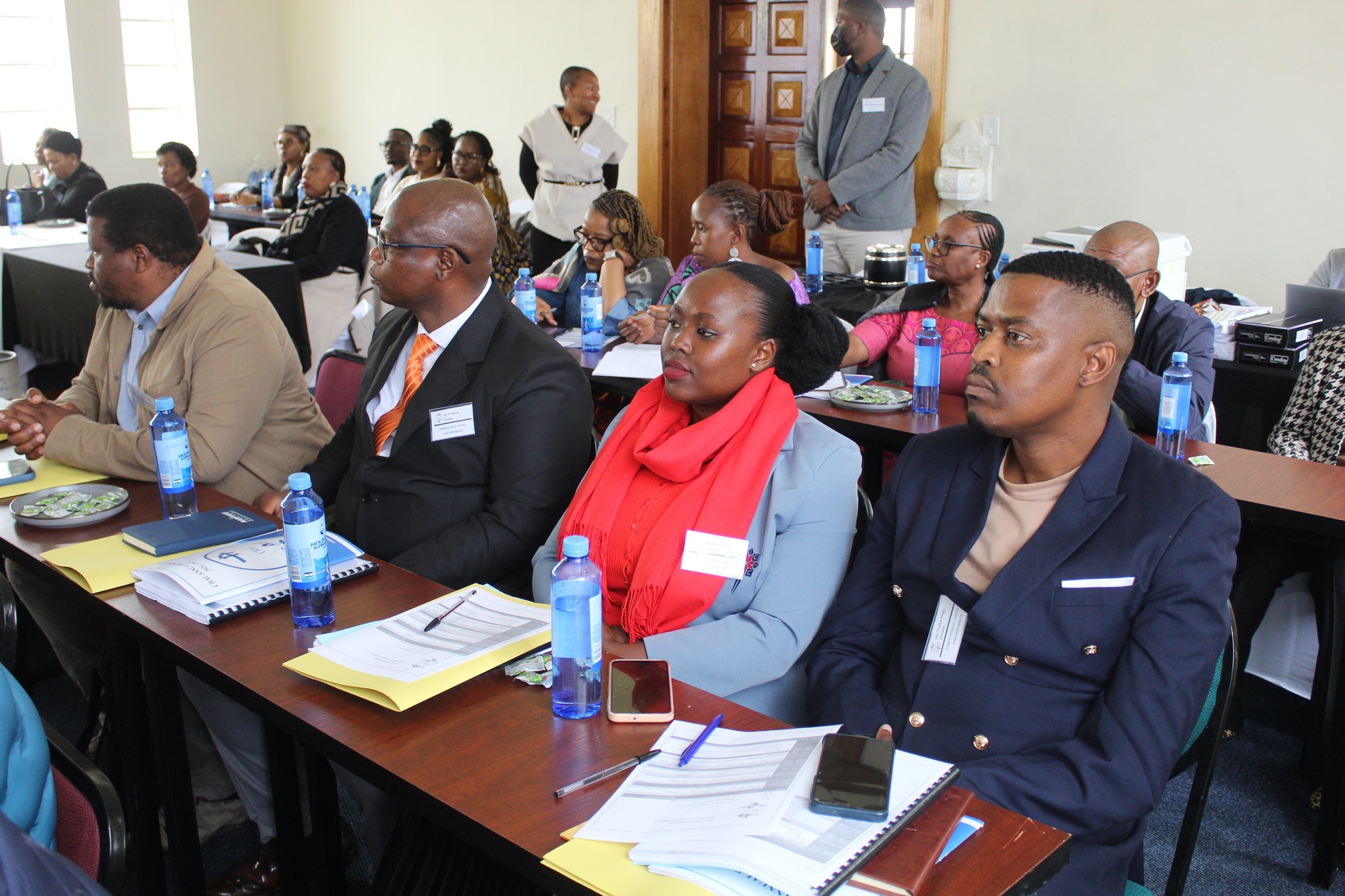
The Christian Health Association of Lesotho successfully convened its Annual General Meeting (AGM) on the 15th-16th March 2026 at the Mazenod Conference Centre, bringing together key stakeholders in the health sector to reflect on progress and chart a way forward under the theme “Global Action for Universal Health Coverage.”
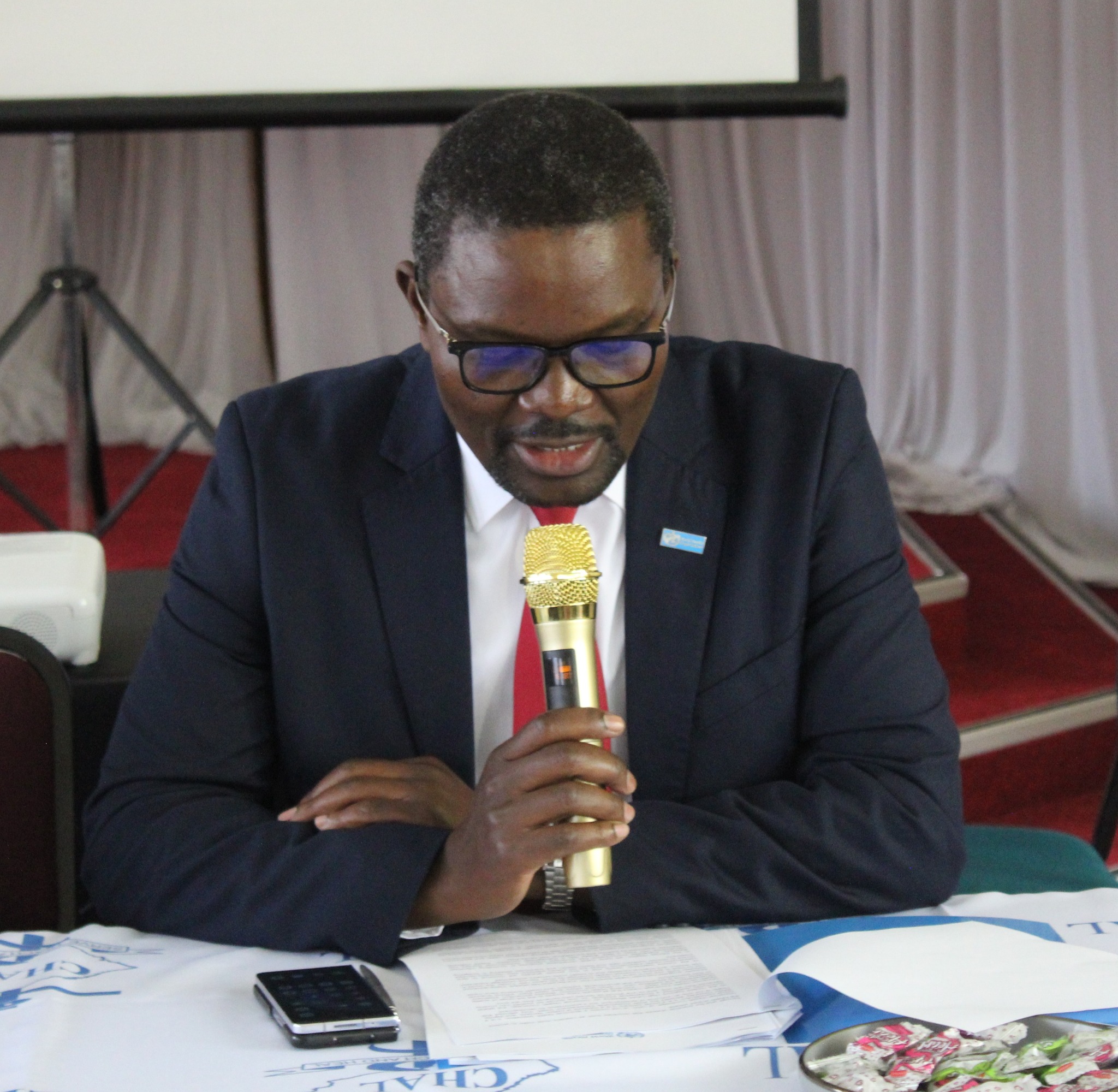
The high-level meeting attracted distinguished guests, including Dr. Innocent Nuwagira and Mokhothu Makhalanyane, who both delivered compelling messages emphasizing the urgency of strengthening health systems in Lesotho.
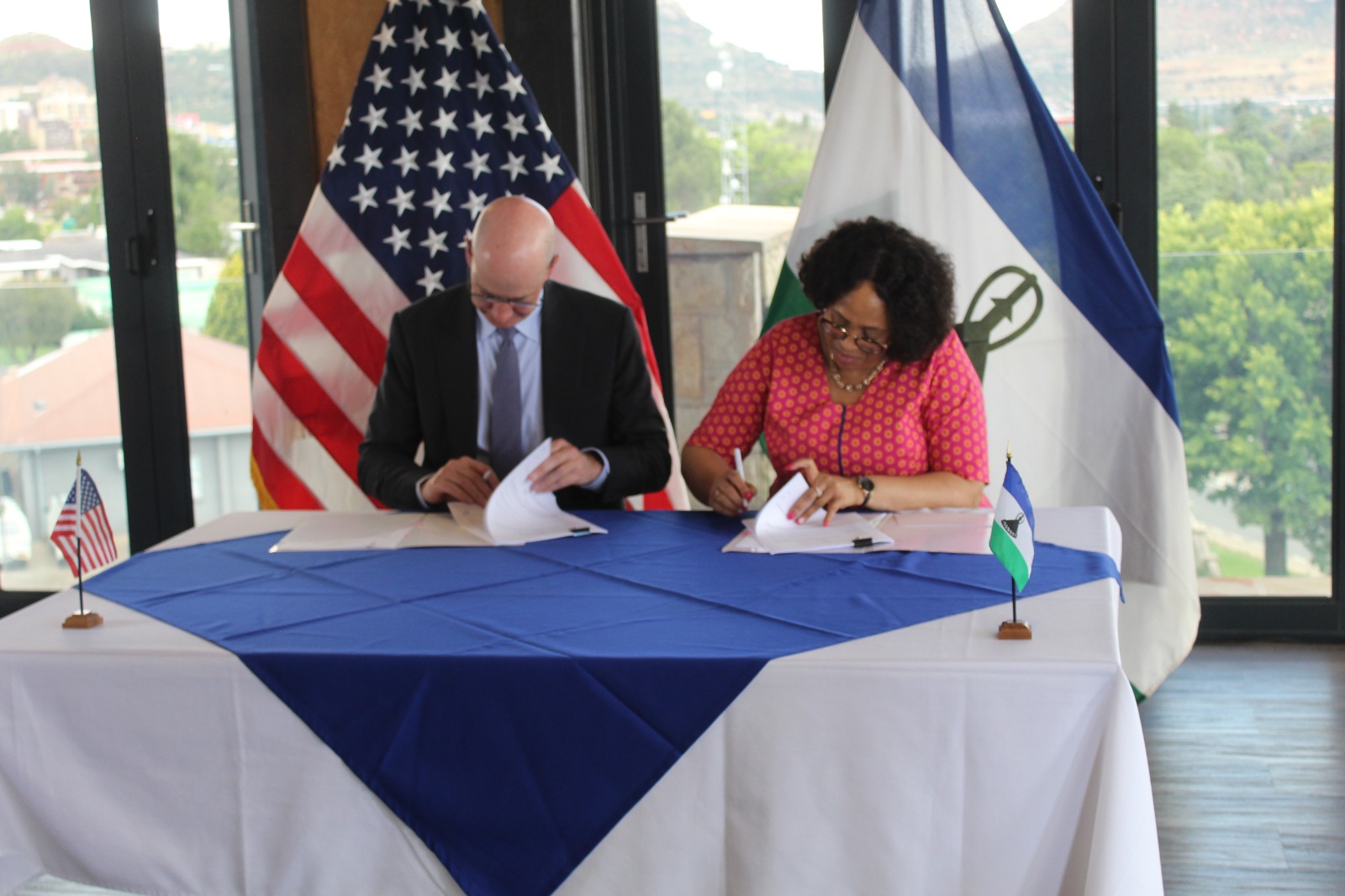
A central focus of this year’s AGM was the newly revised Memorandum of Understanding (MOU) between CHAL and the Government of Lesotho. Delegates engaged in in-depth discussions on the evolution of the partnership, examining key changes from the previous MOU and reviewing revised clauses designed to enhance health service delivery for Basotho.
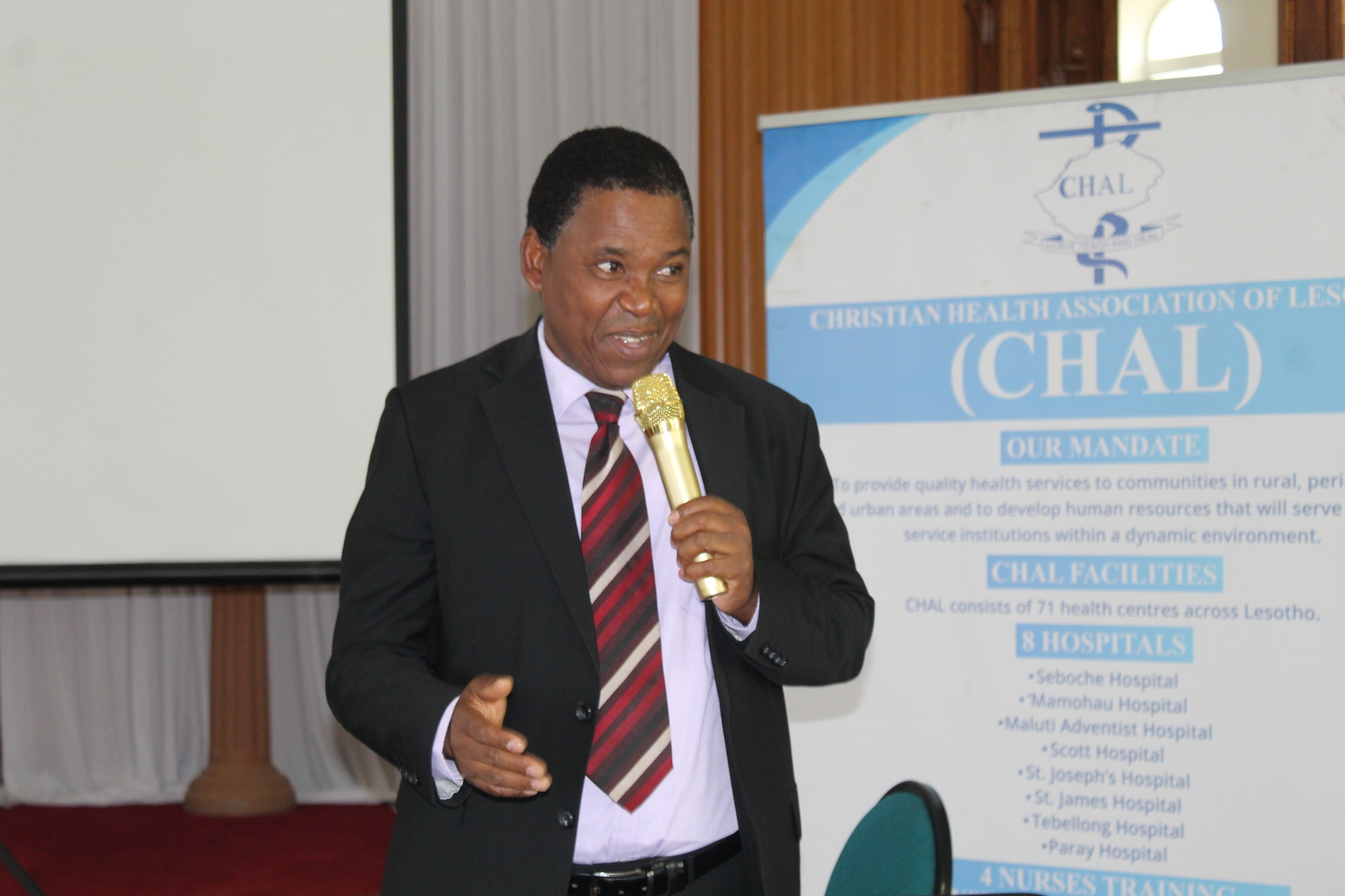
Since establishment, CHAL has been a cornerstone of Lesotho’s health system, providing nearly 40% of health services nationwide. Through its extensive network of 8 hospitals, 71 health centres, and 4 nursing schools, CHAL has consistently extended healthcare services to some of the most remote and hard-to-reach communities in the country. This longstanding partnership, guided by the MOU, has ensured that services delivered in CHAL facilities remain equitable with those provided in government institutions.
Under this model, services at health centres are offered free of charge, while hospital services are highly subsidized, with patients contributing only M15.00. This approach has been instrumental in promoting equity and improving access to healthcare across Lesotho.
However, the delegates acknowledged that the partnership has faced significant challenges over the years. Population growth, an increasing burden of disease, human resource constraints, and limited funding have placed pressure on the system. Additional challenges have included budget cuts, delayed reimbursements, shortages of essential medicines, and disparities in staff benefits between CHAL and government employees.
Concerns were raised regarding inequities affecting CHAL staff, particularly in areas such as allowances and bursary repayment obligations compared to their government counterparts. These disparities have, at times, impacted staff morale and highlighted the need for a more harmonized approach to human resource management within the health sector.
The revised MOU seeks to address these longstanding challenges while positioning primary healthcare at the centre of the partnership. Recognizing primary healthcare as the foundation of Universal Health Coverage (UHC), the new agreement outlines several transformative reforms aimed at strengthening the health system.
Key provisions of the renewed MOU include the centralisation of drug procurement to ensure a more reliable and efficient supply of medicines, as well as the standardisation of employee benefits between CHAL and government staff. This includes alignment in pension schemes and access to education opportunities.
In a significant move toward equity, the revised agreement introduces equal bursary repayment terms under LMDS where CHAL employees will now repay 50% of their loan bursaries, bringing them in line with government employees. However, these changes will occur gradually in the partnership.
The MOU also establishes a dedicated operational budget for the CHAL Secretariat, replacing the previous reliance on the membership contribution from CHAL facilities. This change is expected to improve sustainability and operational efficiency within the organization.
Emphases were on the reforms representing more of the administrative adjustments; the strategic interventions aimed at promoting fairness, accountability, and long-term sustainability within Lesotho’s health system. It was also acknowledged that the full implementation of these changes will occur progressively over the course of the partnership.
Dr. Nuwagira underscored that Universal Health Coverage remains a global commitment to ensuring that all individuals have access to essential health services without financial hardship. He commended the strengthened collaboration between CHAL and the Government of Lesotho as a model of effective public, faith partnership, noting that faith-based institutions are central to achieving national health goals.
He further emphasized that progress toward UHC must be driven through strong primary healthcare systems and integrated, people-centered approaches rather than fragmented interventions.
Hon. Makhalanyane echoed these sentiments, calling for improved quality of care and urging training institutions to modernize curricula to address emerging health challenges, particularly the growing burden of non-communicable diseases. He further emphasised the importance of alternative medicines and healthy eating habits for prevention of non-communicable diseases.
CHAL’s Executive Director, Makatleho Mohasi, reaffirmed the association’s commitment to expanding access to essential health services to Basotho. She highlighted that the newly reviewed MOU between CHAL/GoL will enhance health services to ensure that every Mosotho receives quality health services in CHAL facilities.
The renewed CHAL/GoL partnership aligns closely with the global movement toward Universal Health Coverage. For Lesotho, this translates into expanding access to essential services in rural and mountainous areas, strengthening primary healthcare systems, investing in human resources for health, and ensuring financial protection for households through affordable service delivery.
The AGM concluded with a shared commitment among the delegates to work collaboratively toward a more equitable and resilient health system. CHAL’s continued role in this agenda remains indispensable, demonstrating that strong partnerships between government and faith-based organizations can drive meaningful progress toward health for all Basotho.